What is it & Methodology

    What is the Hemobag®?

    The Hemobag® is an FDA-cleared autotransfusion product and method designed specifically for cardiac and other major surgeries involving large blood loss. It concentrates all functional components of anticoagulated whole blood — red blood cells, platelets, plasma proteins, and clotting factors — enabling fast return of a patient's own blood. Unlike many salvage methods that only recover red cells, the Hemobag® preserves all constituents of whole blood while removing waste and excess fluids.

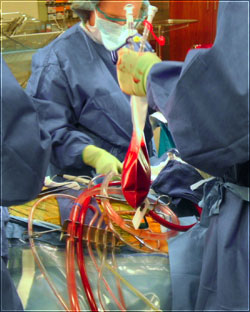
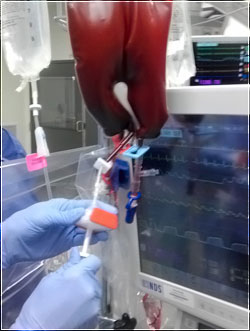
    Hemobag whole blood recovery system in use during cardiac surgery procedure

    Why it matters

    Better Coagulation & Hemostasis

    Hemodilution and loss of clotting components during bypass surgery leads to a coagulopathy, bleeding, and transfusion exposure. The Hemobag® helps reverse those effects by returning all essential components quickly, only now concentrated.

    Reduced Allogeneic Blood Use

    By returning autologous whole blood, the Hemobag® helps reduce dependence on donor blood — lowering risks (transfusion reactions, infection), costs, and logistical demands.

    Improved Patient Outcomes

    Restoring plasma proteins, platelets, and clotting factors helps with overall stability after surgery, less postoperative bleeding, and more efficient recovery.

    Comparative evidence and highlights

    Understanding the data behind different blood management approaches is critical. The following studies compare outcomes across centrifugation, modified ultrafiltration, and Hemobag® systems so you can make informed clinical decisions.

    Centrifugation vs. Multiple-Pass Hemoconcentration (MPH)

    McNair et al. compared CF and MPH in a randomized controlled trial involving 61 adult patients. While hemoglobin levels post-surgery were similar between groups, the MPH group had significantly higher albumin, total protein, fibrinogen, and platelet counts. Importantly, MPH patients exhibited reduced allogeneic transfusion needs and improved fluid balance.

    View Article

    Online MUF vs. Off-Line MUF vs. Centrifugation

    In another prospective study by McNair et al., 99 patients were divided into online MUF, off-line MUF, and CF groups. Off-line MUF (equivalent to HB) had the lowest transfusion rates (6.7%), followed by CF (14.7%) and online MUF (22.9%). Although online MUF showed the highest immediate hemoglobin recovery, fluid shifts appeared to inflate this benefit. Weight-adjusted analyses favored off-line MUF for actual hemoglobin retention and lowest fluid retention.

    View Article

    National Database Review – Hemobag Superiority

    Baeza et al. analyzed 77,591 adult cardiac surgeries from the SCOPE registry. Five techniques were assessed: CF, UF, WB reinfusion, HB, and no processing. HB was associated with the lowest transfusion probability (0.79%) and the most favorable hematocrit recovery. Conversely, no post-CPB processing showed the highest transfusion rates. HB use reduced transfusion odds by half compared to CF, highlighting its clinical superiority.

    View Article

    Meta-Analysis of MUF Effectiveness

    A comprehensive meta-analysis by Low et al. examined 13 randomized controlled trials involving 1,236 patients. MUF significantly increased post-CPB hematocrit, reduced chest tube drainage, decreased transfusion volumes (by ~0.73 units), and shortened ICU stay duration. Importantly, no increase in mortality or complications was observed. This solidified MUF's status as both effective and safe for adult patients.

    View Article

    What's included?

    The standard order is made up of the following components:

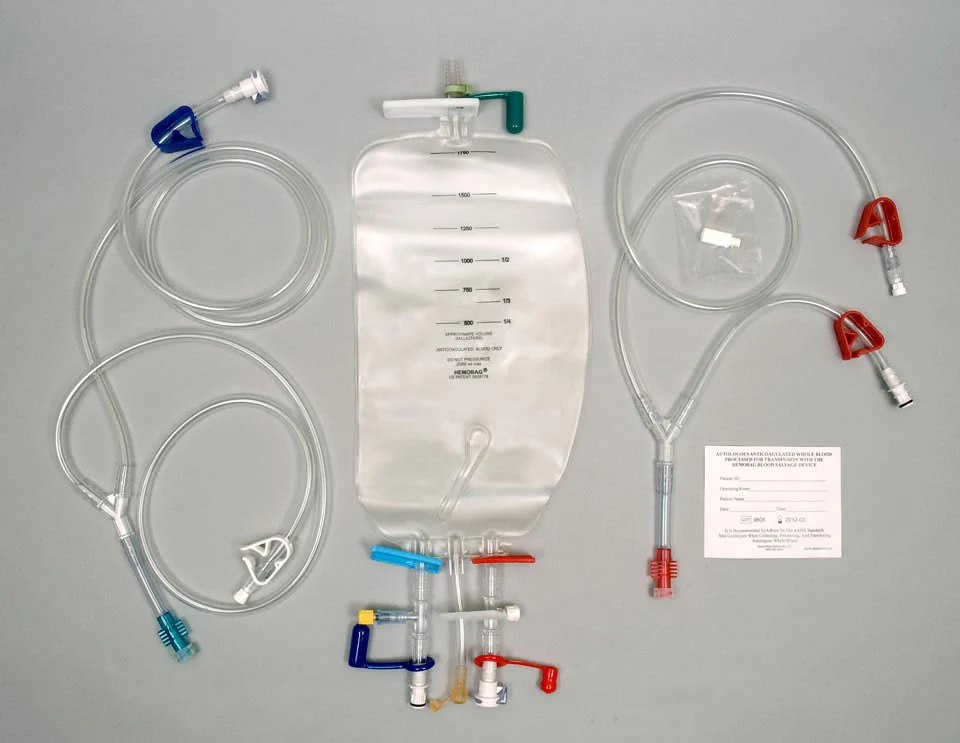
    Part No. GBR535 – 1 box contains 5 Hemobags and 5 TS3 Tubing Sets. The Hemobag and TS3 Tubing set must be used together and are not sold separately.

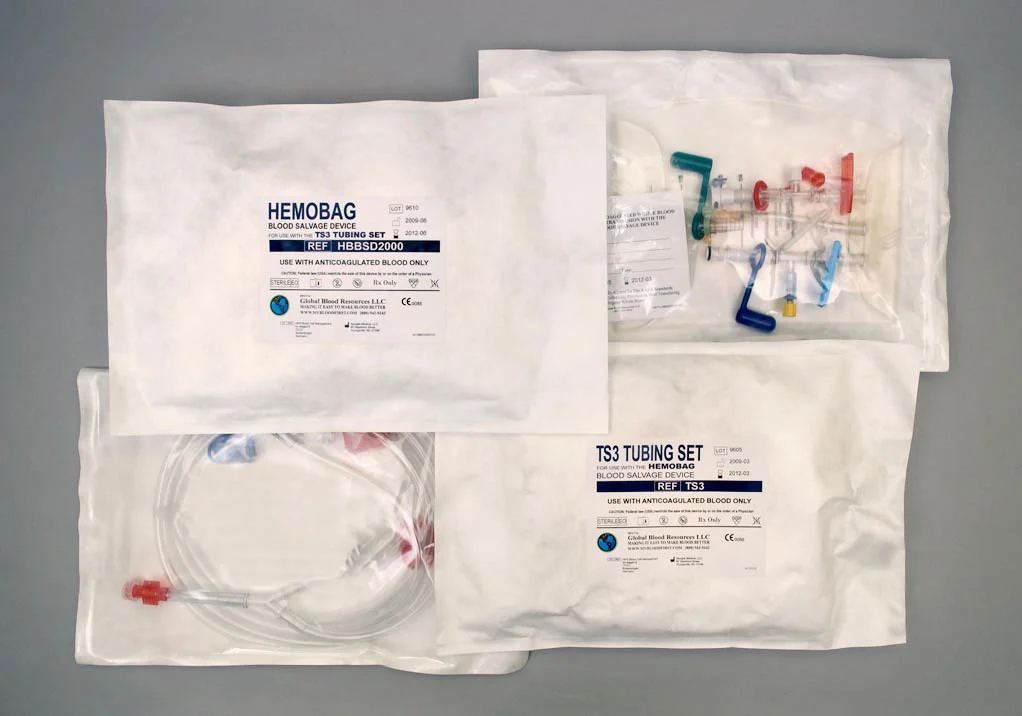
    Hemobag and TS3 Tubing Set individual packaging
    Complete Hemobag and TS3 Tubing Set components laid out
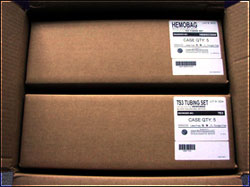
    Hemobag product shipping boxes ready for delivery

    Learn More at our Legacy Site

    For deeper info, case studies, clinical data, FAQs and protocol details, you can refer to:

    The Original Hemobag.com

    Legacy site articles, protocols, and FAQs (linked above) contain full literature summaries, abstracts, and comparisons versus other blood salvage methods.

    Hemobag system being used during a cardiac surgery procedure